If you have noticed your waistline expanding since hitting menopause, you are not imagining things. And you are definitely not alone. Millions of women between 45 and 65 deal with this exact frustration every single day.
You eat the same foods. You move the same amount. But somehow, your belly has a mind of its own. The jeans that fit last year? Forget about it.
Here is the good news: menopause belly fat is not a life sentence. Once you understand why it happens, you can take real, practical steps to fight back. No fad diets. No extreme workouts. Just honest strategies that work with your changing body, not against it.
Let’s get into it.
Why Menopause Causes Belly Fat in the First Place
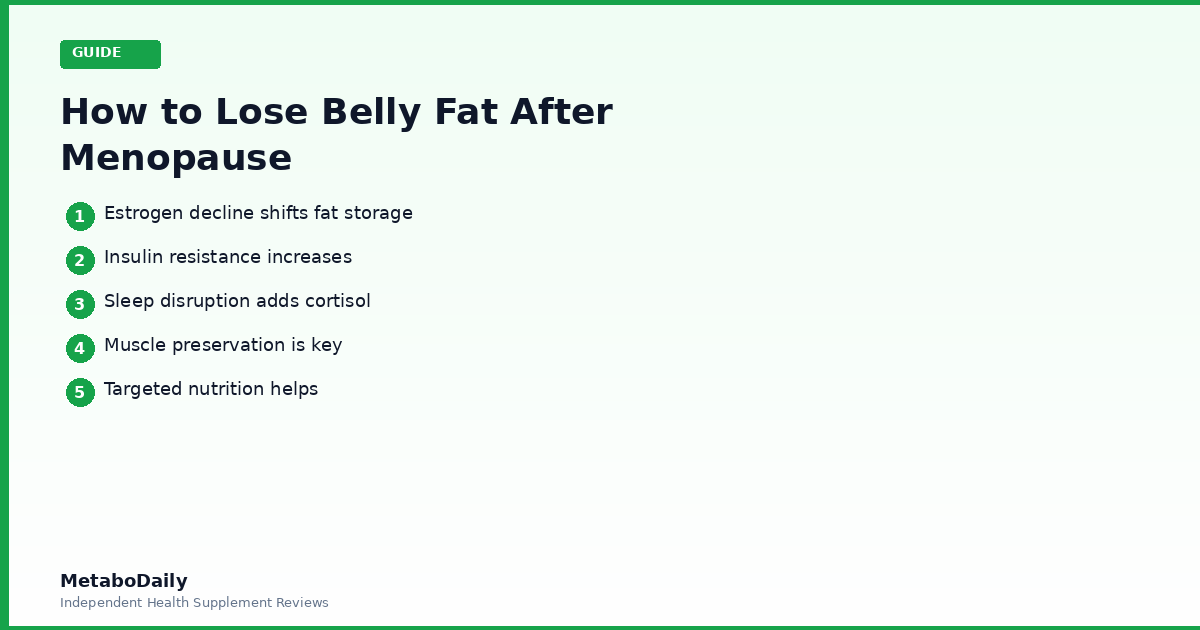
Before we talk solutions, it helps to understand what is actually going on inside your body. Menopause belly fat is not about willpower. It is about biology. There are four major factors at play, and they all feed into each other.
Estrogen Decline Changes Where Fat Is Stored
Before menopause, estrogen helps direct fat storage to your hips and thighs. It is not always flattering, but it is relatively harmless from a health standpoint. Once estrogen levels drop during perimenopause and menopause, your body shifts fat storage to your midsection. This is called visceral fat, and it wraps around your internal organs.
Visceral fat is not just a cosmetic issue. It is linked to heart disease, type 2 diabetes, and chronic inflammation. So when we talk about losing menopause belly fat, we are really talking about protecting your long-term health.
Insulin Resistance Sneaks Up on You
As estrogen drops, your cells become less responsive to insulin. Insulin is the hormone that tells your body what to do with the sugar in your blood. When your cells resist insulin’s signals, your body pumps out more of it. And high insulin levels tell your body to store fat, especially around your belly.
This is why many women notice weight gain even when their diet has not changed. Your body is processing food differently now. The same bowl of pasta hits different at 55 than it did at 35.
Cortisol and Stress Make Everything Worse
Menopause often arrives during one of the most stressful seasons of life. You might be caring for aging parents, dealing with career pressures, or navigating relationship changes. Chronic stress raises cortisol levels, and cortisol is directly linked to belly fat storage.
Cortisol also increases cravings for sugary, high-carb comfort foods. So not only does stress promote belly fat storage, it drives you toward the exact foods that make the problem worse.
Sleep Disruption Tanks Your Metabolism
Hot flashes. Night sweats. Racing thoughts at 3 AM. Sound familiar? Poor sleep is one of the most common menopause complaints, and it has a direct impact on your weight.
When you do not sleep well, two hunger hormones go haywire. Ghrelin (the “I’m hungry” hormone) goes up, and leptin (the “I’m full” hormone) goes down. The result? You eat more the next day, and your body is less efficient at burning what you eat. Over time, this adds up to stubborn belly fat that feels impossible to shift.
If you are curious about how metabolism changes with age and what actually helps, check out our guide to the best metabolism boosters for a deeper look.
Practical Strategies That Actually Work

Now that you know what you are dealing with, let’s talk about what to do about it. These strategies are backed by research and designed for real life. You do not need to overhaul everything overnight. Pick one or two to start with and build from there.
Strength Training Is Non-Negotiable
If you only change one thing, make it this. Strength training is the single most effective exercise strategy for menopause belly fat. Here is why: muscle burns more calories at rest than fat does. The more muscle you carry, the higher your resting metabolism.
After 40, women lose muscle mass at a rate of about 1% per year if they are not actively working to maintain it. By menopause, you may have already lost a significant amount. Strength training reverses this trend.
You do not need to become a bodybuilder. Two to three sessions per week with dumbbells, resistance bands, or bodyweight exercises can make a real difference. Focus on compound movements like squats, deadlifts, rows, and presses. These work multiple muscle groups at once and give you the most bang for your buck.
Walking is great for your heart and your mood, but it will not reshape your body composition the way strength training does.
Prioritize Protein at Every Meal
Protein is your best friend during menopause. It helps you build and maintain muscle, keeps you feeling full longer, and has a higher thermic effect than carbs or fat, meaning your body burns more calories just digesting it.
Aim for 25 to 35 grams of protein at each meal. Good sources include:
- Chicken, turkey, and lean beef
- Fish and seafood (salmon is especially great for its omega-3s)
- Eggs
- Greek yogurt and cottage cheese
- Beans, lentils, and tofu
- Protein powder in smoothies
A common mistake is eating most of your protein at dinner. Spread it evenly throughout the day. A protein-rich breakfast can reduce cravings and stabilize blood sugar for hours.
Fix Your Sleep (Seriously)
You cannot out-exercise or out-diet bad sleep. If menopause is wrecking your nights, addressing sleep should be a top priority for fat loss.
Start with the basics:
- Keep your bedroom cool (65 to 68 degrees Fahrenheit is ideal)
- Use moisture-wicking sheets and pajamas for night sweats
- Stop screens at least 30 minutes before bed
- Go to bed and wake up at the same time every day, even on weekends
- Limit caffeine after noon
- Try magnesium glycinate before bed, which many women find helpful for both sleep and hot flashes
If hot flashes are keeping you up despite these changes, talk to your doctor. There are effective treatments available, and you deserve a good night’s rest.
Manage Stress Like It Is Part of Your Health Plan
Stress management is not a luxury. It is a fat-loss strategy. When cortisol stays elevated day after day, your body holds onto belly fat like a security blanket. Bringing cortisol down is one of the most underrated things you can do for your waistline.
Find what works for you. Some options:
- Daily walks in nature. Even 15 minutes can lower cortisol levels measurably.
- Deep breathing exercises. Try box breathing: inhale for 4 counts, hold for 4, exhale for 4, hold for 4. Do this for 5 minutes.
- Yoga or stretching. Gentle movement that connects your breath to your body is incredibly calming for the nervous system.
- Journaling. Getting racing thoughts out of your head and onto paper can make a real difference.
- Saying no. If your schedule is packed to the breaking point, the best stress management tool might be setting boundaries.
You do not need to meditate for an hour a day. Even small, consistent stress-relief habits add up over time.
Adjust Your Eating Pattern
You do not need to go on a strict diet to lose menopause belly fat. But some adjustments to how and what you eat can help a lot.
Reduce refined carbs and added sugar. These spike insulin the most, and insulin resistance is already working against you. Swap white bread for whole grain. Choose fruit over candy. Drink water instead of juice. Small changes, big impact over time.
Eat more fiber. Vegetables, beans, berries, and whole grains help regulate blood sugar, feed your gut bacteria, and keep you feeling satisfied. Aim for at least 25 grams per day.
Consider a moderate eating window. Some women find that eating within a 10- to 12-hour window (for example, 8 AM to 6 PM) helps with insulin sensitivity and weight management. This is not extreme fasting. It is simply giving your body a longer overnight break from digestion.
Do not slash calories too low. Eating under 1,200 calories a day can backfire badly during menopause. It slows your metabolism further, increases cortisol, and leads to muscle loss. A moderate deficit of 200 to 300 calories is plenty.
Supplements That May Help
No supplement will melt belly fat on its own. Let’s be clear about that. But certain supplements can support the strategies above and give you an extra edge.
- Magnesium: Supports sleep, stress management, and insulin sensitivity. Many women are deficient.
- Vitamin D: Low levels are common after menopause and linked to increased belly fat. Get your levels tested and supplement if needed.
- Omega-3 fatty acids: Help reduce inflammation, which is a driver of visceral fat storage.
- Probiotics: Gut health plays a role in weight management and inflammation. A quality probiotic can support both.
- Green tea extract: Contains compounds that may support metabolism modestly. Some women notice a difference, especially alongside exercise.
If you are looking for a metabolism support supplement that combines several of these ingredients, you might want to look into options like Java Burn, which is designed to work alongside your morning coffee. We reviewed it in detail if you want to check it out.
A Realistic Timeline for Results

Let’s set honest expectations. You did not gain this belly fat overnight, and it will not disappear overnight either. Most women notice better energy and reduced bloating within the first two weeks. Clothes start fitting differently around weeks three to six. Visible changes in your midsection typically show up between months two and three, and by months four to six, consistency really pays off in a meaningful way.
You do not need perfection. You need to keep showing up, even on the days you do not feel like it.
When to Talk to Your Doctor
If you have made solid lifestyle changes for three months and are seeing zero progress, it is worth talking to your doctor. Thyroid issues, undiagnosed insulin resistance, and hormonal imbalances can all stall weight loss. A simple blood panel can rule these out or point you toward targeted treatment.
Hormone replacement therapy (HRT) is also worth discussing. Research shows it can help with body composition during menopause, and the risks are lower than many women have been led to believe, especially when started within 10 years of menopause.
For those looking for additional metabolic support alongside lifestyle changes, this supplement combination has been getting positive feedback from women in this age group. It is not magic, but paired with the strategies above, it can be a helpful part of the puzzle.
Frequently Asked Questions
Can you lose menopause belly fat without hormone replacement therapy?
Absolutely. HRT can help, but it is not the only path. Strength training, proper nutrition, quality sleep, and stress management can all make a significant difference on their own. Many women see real results with lifestyle changes alone. HRT is an option to discuss with your doctor, but it is not a requirement for losing menopause belly fat.
How long does it take to lose belly fat after menopause?
Most women start noticing changes in how their clothes fit within four to six weeks of consistent effort. Visible belly fat reduction typically takes two to four months. Everyone is different, and factors like your starting point, sleep quality, and stress levels all play a role. The most important thing is to stay consistent rather than chasing fast results.
Is cardio or weight training better for menopause belly fat?
Weight training wins here. While cardio is great for heart health and mood, strength training builds muscle, which raises your resting metabolism. This means you burn more calories even when you are sitting on the couch. The ideal approach is to combine both: two to three strength sessions per week plus regular walking or other light cardio.
What foods should you avoid to reduce menopause belly fat?
Focus on reducing refined carbohydrates like white bread, pasta, pastries, and sugary snacks. These spike insulin levels, which promotes belly fat storage, especially when insulin resistance is already a factor. Sugary drinks, including fruit juice, are another common culprit. You do not need to eliminate these foods completely. Just make them occasional treats rather than daily staples.
Does menopause belly fat increase your risk of disease?
Yes, it can. Visceral fat, the type that accumulates around your midsection during menopause, is metabolically active. It releases inflammatory compounds that are linked to heart disease, type 2 diabetes, and certain cancers. This is why addressing menopause belly fat is not just about looking better. It is about protecting your health for the decades ahead. Even modest reductions in belly fat can improve your health markers.
The Bottom Line
Menopause belly fat is frustrating, but it is not something you just have to accept. Your body has changed, and that means your approach needs to change too. The old rules of “eat less, move more” are not enough anymore.
Focus on what actually moves the needle: build muscle through strength training, eat enough protein, protect your sleep, and manage your stress. These four things, done consistently, can transform how you look and feel.
You do not need to be perfect. You do not need to do everything at once. Pick one strategy from this guide, start today, and build from there. Your future self will thank you.
Java Burn - Natural Metabolism Booster
- Adds to any coffee
- No lifestyle change needed
- 100% natural ingredients
- 60-day money-back guarantee
* Affiliate link. See our disclosure.